Formerly known as Metropolitan Chicago Breast Cancer Task Force

BREAST HEALTH INFORMATION

Your Health.
Your Knowledge.
Your Power.

Clear answers for every stage of your journey. We provide the
expertise and support you need to navigate breast health with
confidence and equity.

Understanding Breast Cancer

What is cancer?

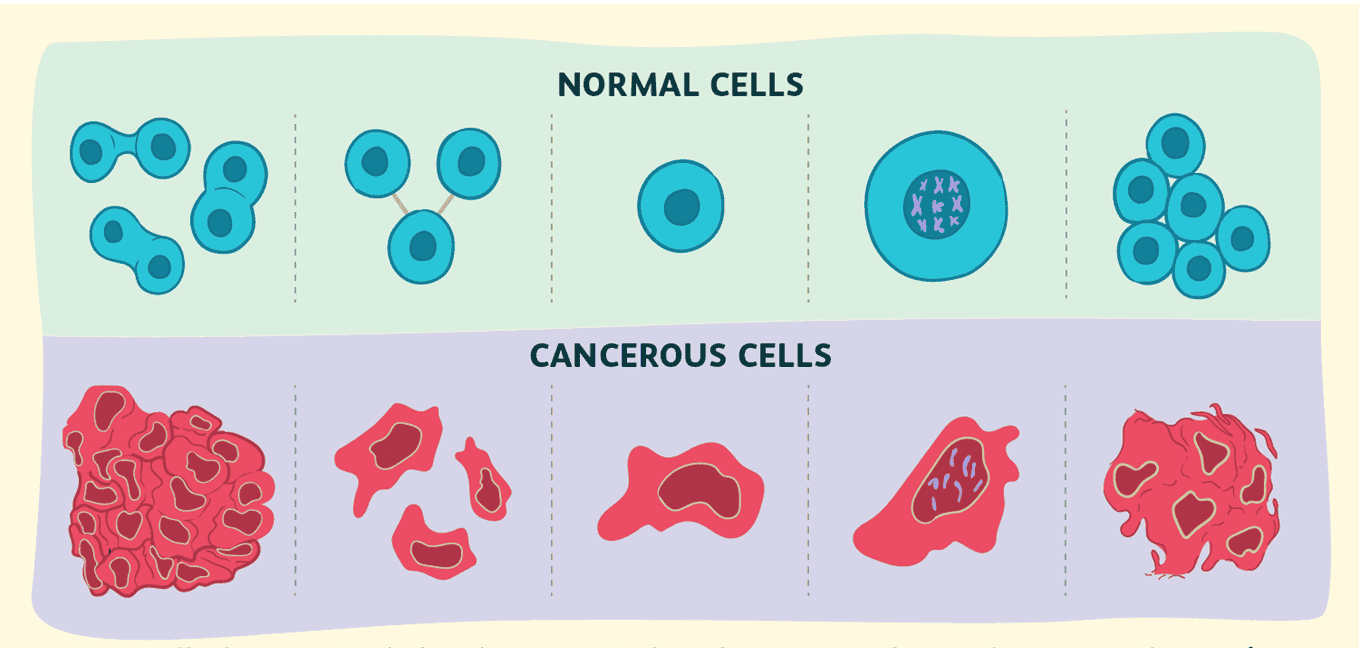
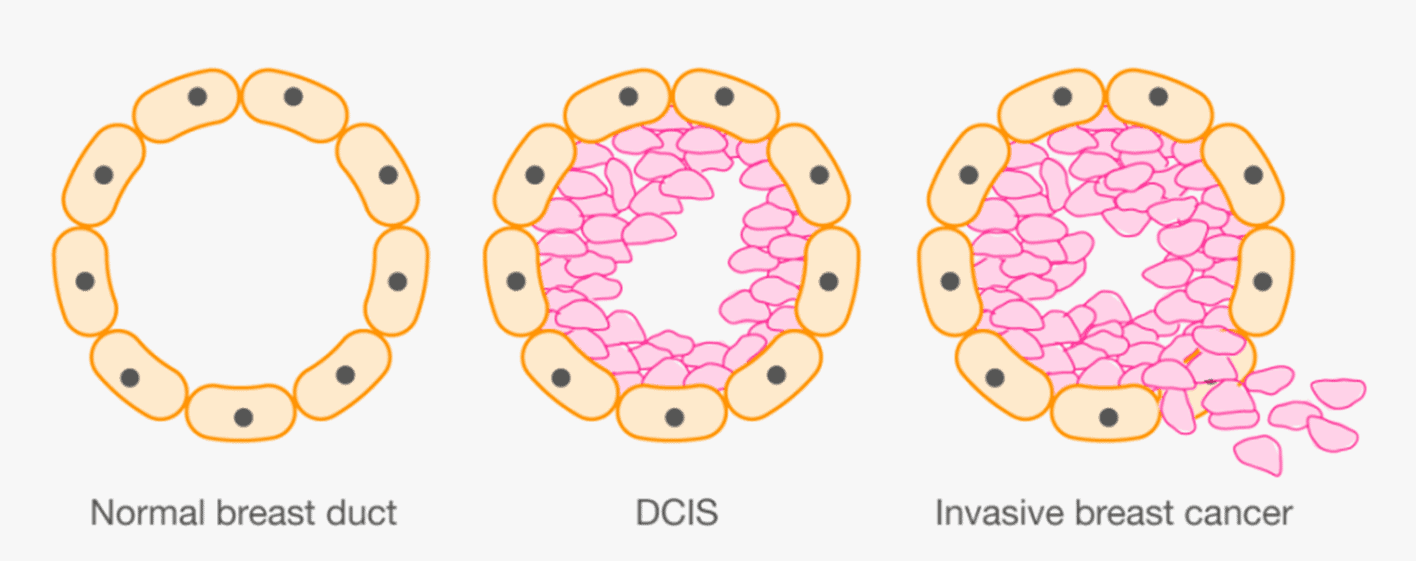
Cancer is what happens when your body’s cells grow in an uncontrollable way and damages healthy parts.
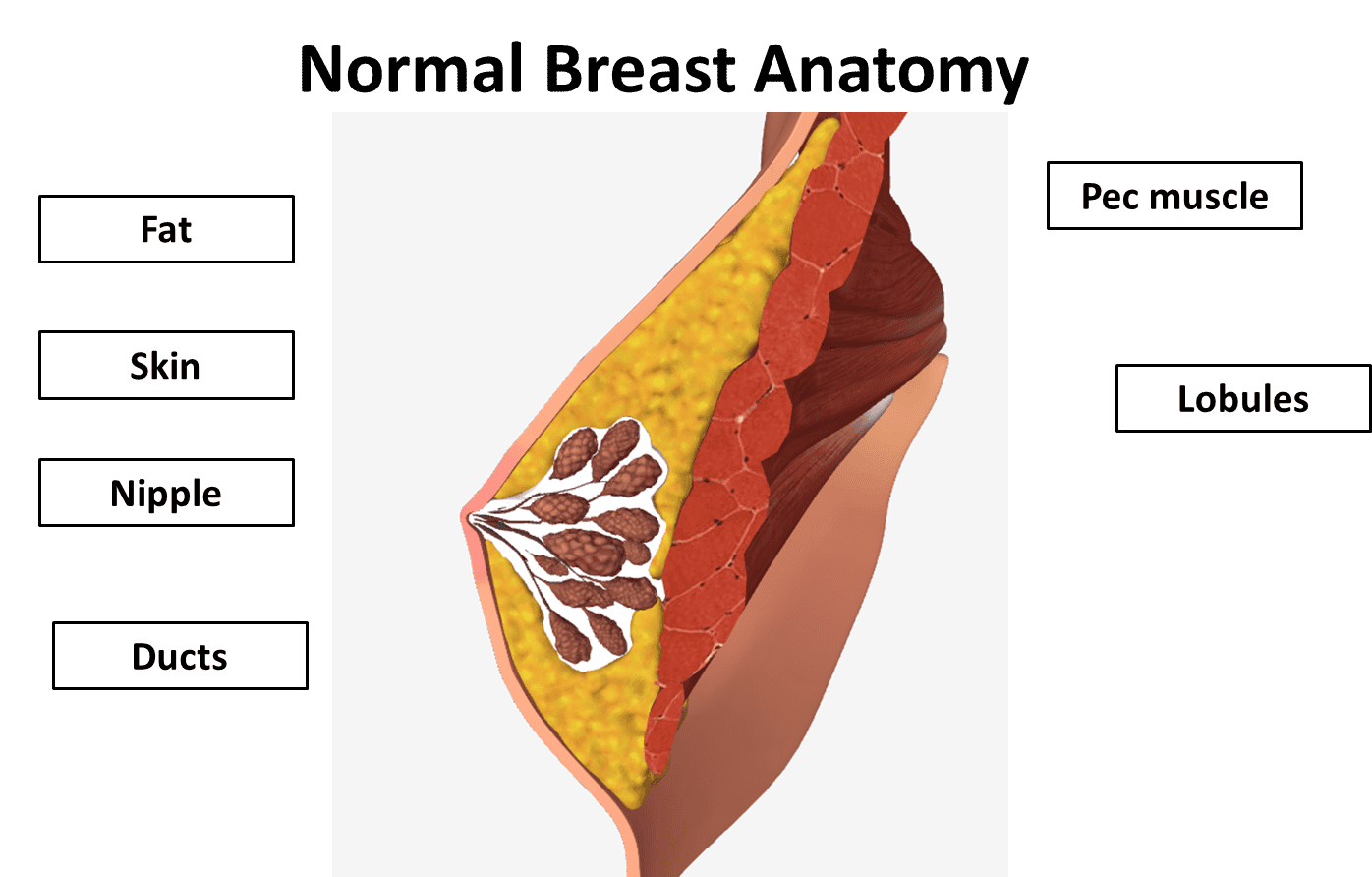
Normal breast anatomy
What is breast cancer?

Breast cancer is a cancerous tumor that develops from cells in the breast. The most important thing for you to remember is that breast cancer is best treated when found early.
Why does early detection matter?

When breast cancer is found early—before it spreads—survival rates are extremely high. In many cases, early detection can lead to a nearly 100% five-year survival rate.

Back to Top

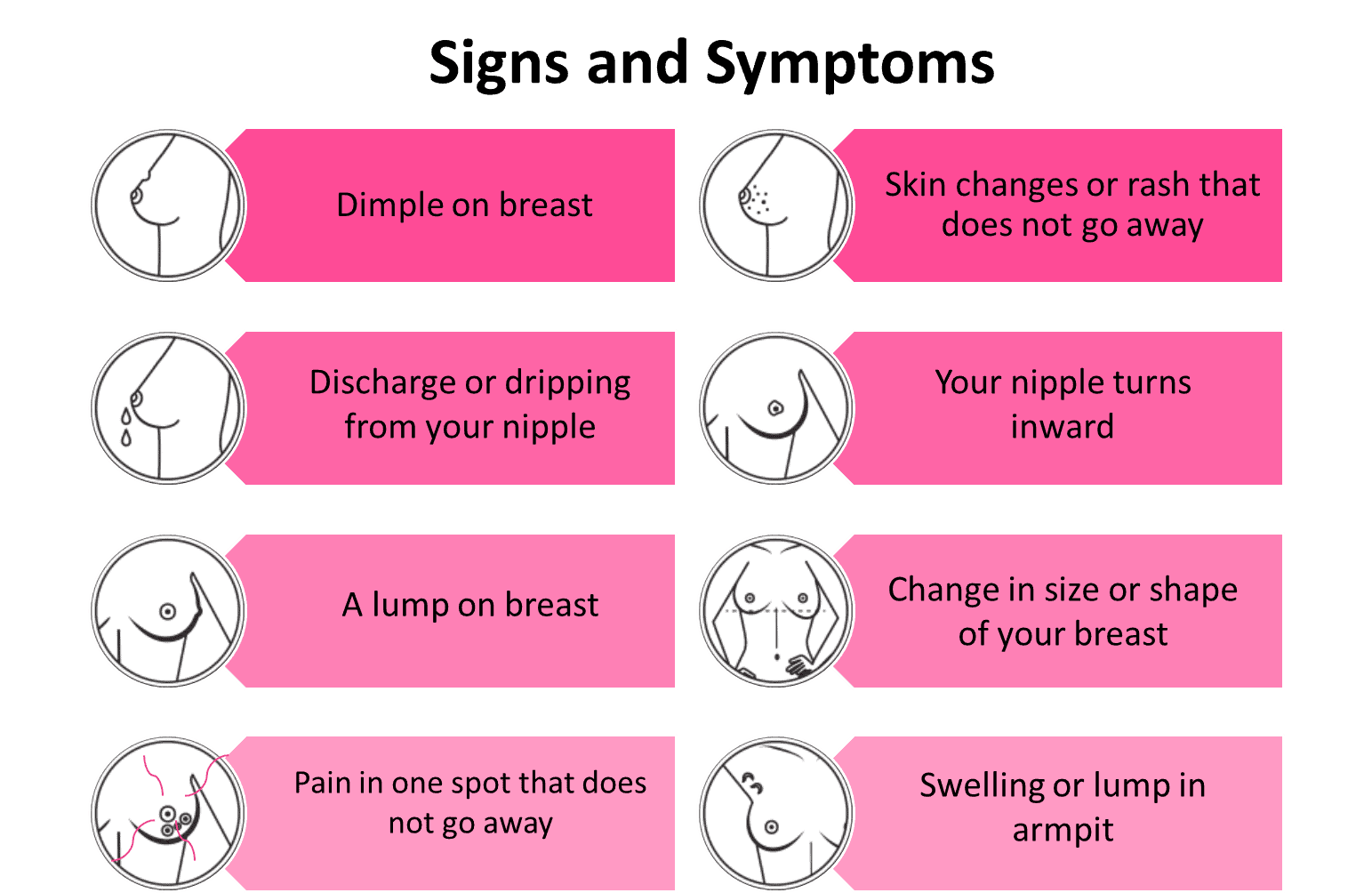
Signs and Symptoms

What are the signs of breast cancer?

Early breast cancer often has no noticeable symptoms. 

When symptoms do appear, they may include:
Back to Top

How to Check And Detect

How do I check my breasts at home?

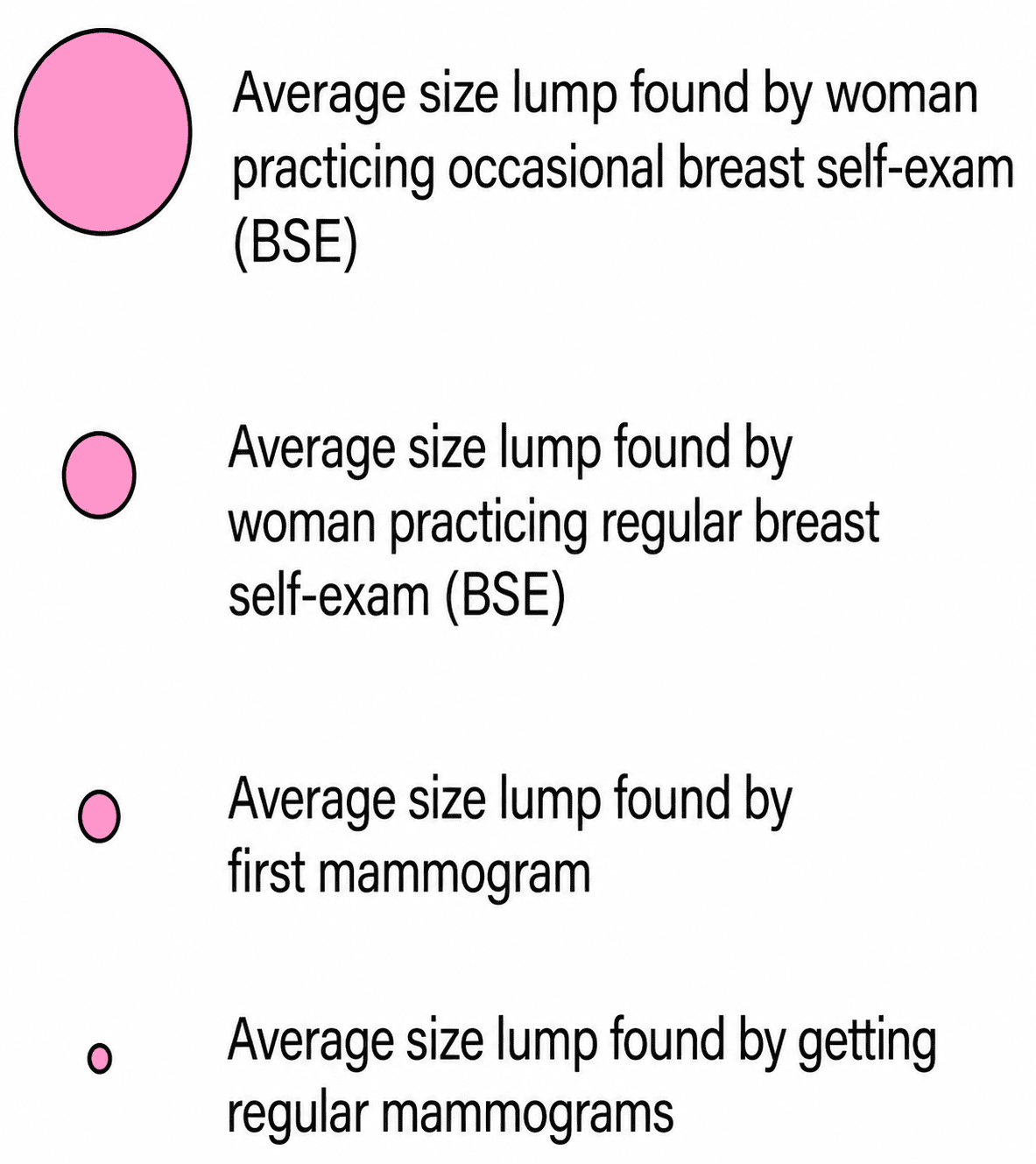
Starting at age 20, you should perform a monthly breast self-exam.

Why does this matter?

A mammogram is a special X-ray that can detect breast cancer before a lump can be felt.

It is one of the most powerful tools for early detection.

A mammogram is a special breast x-ray that can detect most but not all breast cancers. They often can detect cancer even before a lump can be felt. A woman should not ignore something she feels just because her mammogram is normal.

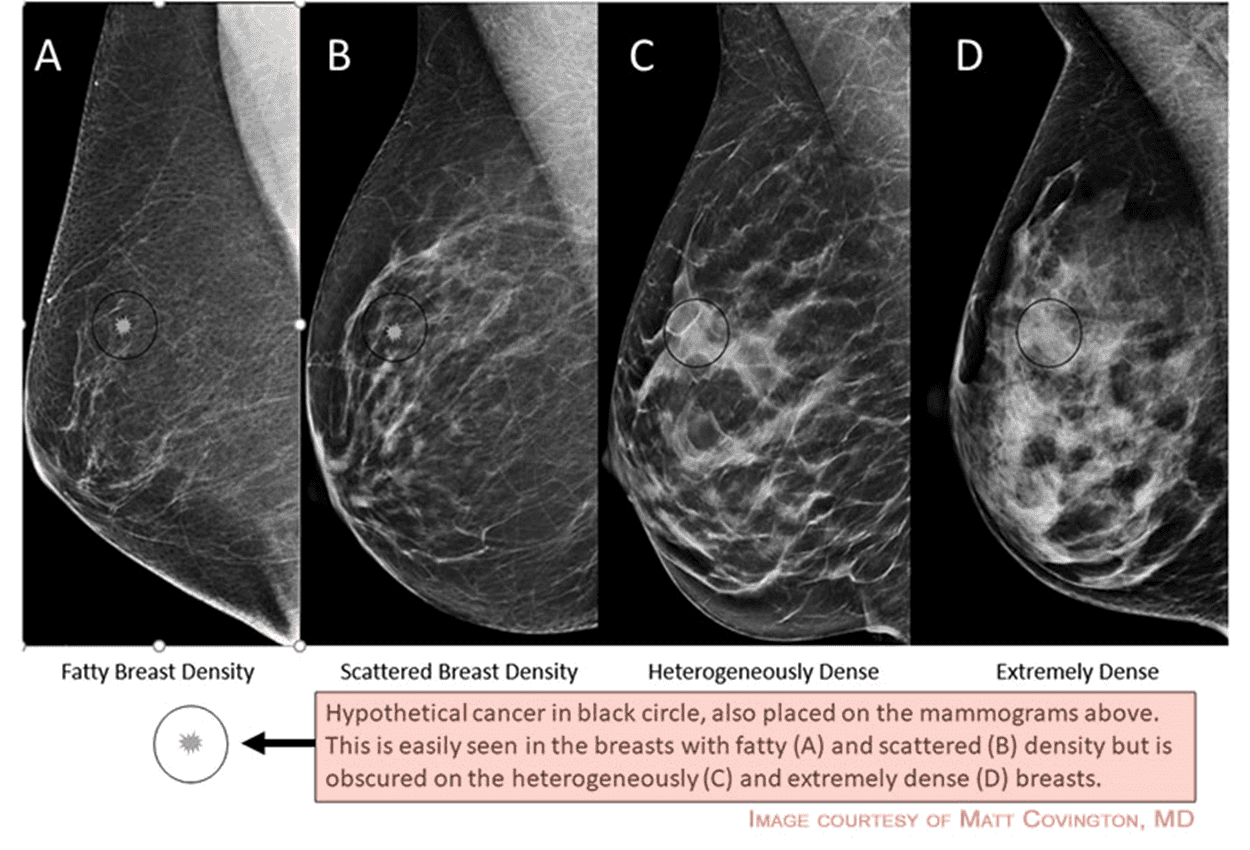
Mammograms may not be as effective in women with dense breasts. A dense breast has more tissue than fat thus making it harder to see cancer on a mammogram. 
When should I get a mammogram?

  • Age 40+: Annual mammograms are recommended

  • Under 40: Talk to your doctor if you have risk factors

In order to get a mammogram: Many clinics require a referral from a doctor.

  • If you are under 40 years of age:
    • Mammograms aren’t as reliable due to breast density
    • Consult with your primary care doctor if you are at-risk (example: family history) or have had cancer before

Understanding your results

  • Normal
    • Normal results mean you would likely need to come back in 12 months for another screening mammogram.
  • Abnormal (“Suspicious”)
    • Abnormal results require follow-up tests (examples: diagnostic mammogram or biopsy)

You may need follow-up tests like:

  • Diagnostic mammogram

  • Ultrasound

  • Biopsy (the only way to confirm cancer)

What is a clinical breast exam?

Women should have their breasts checked by a health professional once each year. It is important to remember that most lumps found in the breast are not cancer. However, any lump needs to be checked by a doctor as soon as it is found.

Other tests to detect breast cancer

  • MRI
  • Ultrasound
  • Biopsy

Back to Top

What If I Find A Lump?

What should I do if I find a lump?

Your doctor also may want you to have a biopsy. While a mammogram is very helpful in looking for breast cancer, a biopsy is the only way to determine whether a lump in your breast is cancerous. This procedure removes a small amount of tissue that is then tested to see if it is cancer.

If you do not have a doctor, call Equal Hope at (312) 942-3368 for support or these resources listed below:

Illinois Breast and Cervical Cancer Program

Office of Women’s Health

Illinois Department of Public Health

888-522-1282

Cancer Information Service

800-422-6237

American Cancer Society

800-227-2345

National Cancer Institute

800-422-6237

What if I don’t have a doctor?

Equal Hope can help you:

  • Find a provider

  • Schedule screenings

  • Access care—even without insurance

Back to Top

Risk Factors

What increases my risk of breast cancer?

Factors you can’t control:

  • Being a woman

  • Age

  • Family history

  • Genetics

  • Breast density

Factors you can modify:

  • Maintaining a healthy weight
  • Exercising regularly
  • Limiting alcohol intake
  • Avoiding unnecessary hormone therapy

Can men get breast cancer?

Yes. While less common, men can develop breast cancer.

Signs/Symptoms:

  • Symptoms are the same in men and women

Risk factors:

  • Family history of breast cancer
  • Obesity
  • Age
  • Heavy drinking
  • Exposure to radiation
  • Estrogen treatment

Diagnosis

  • Clinical breast exam
  • Imaging tests
  • Biopsy

Back to Top

What Can I Do?

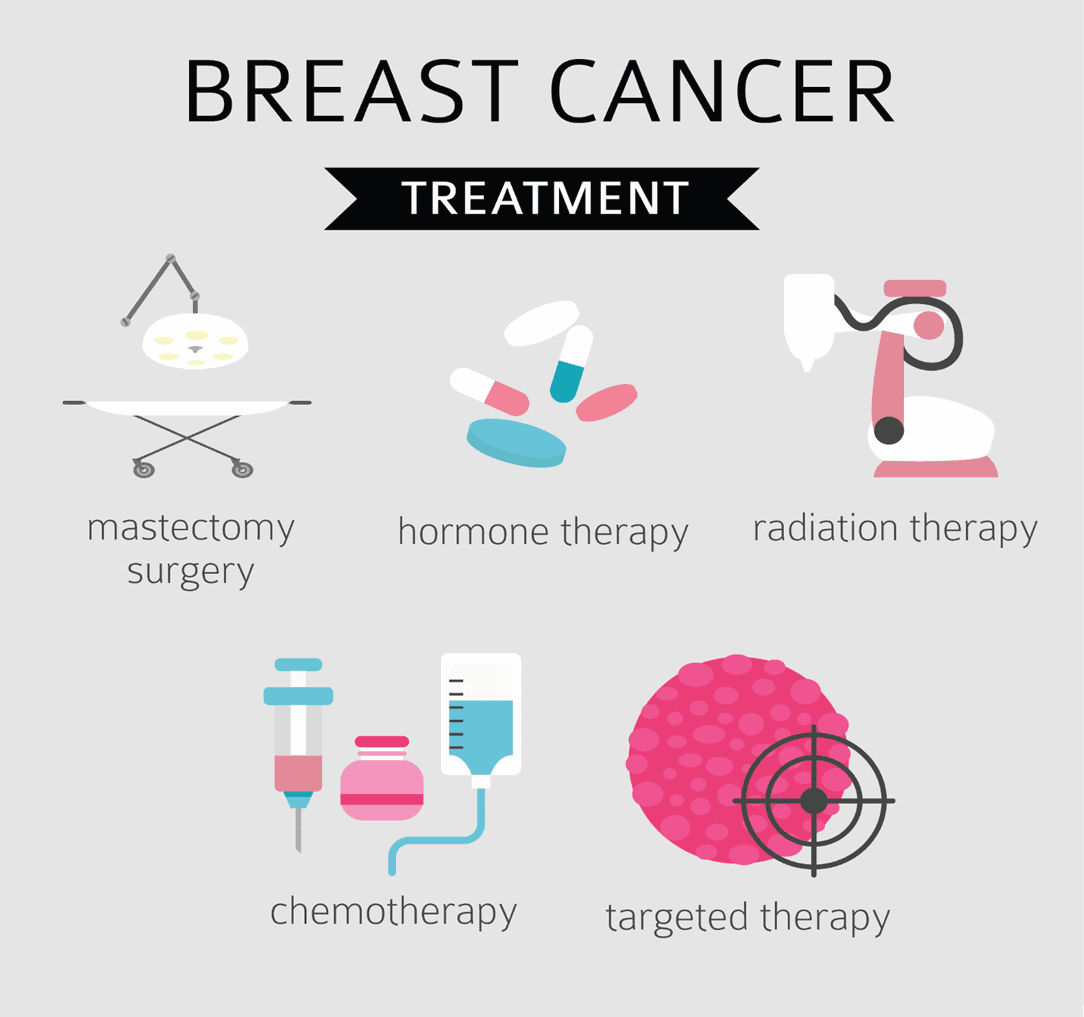
Treatment options

If cancer hasn’t spread:
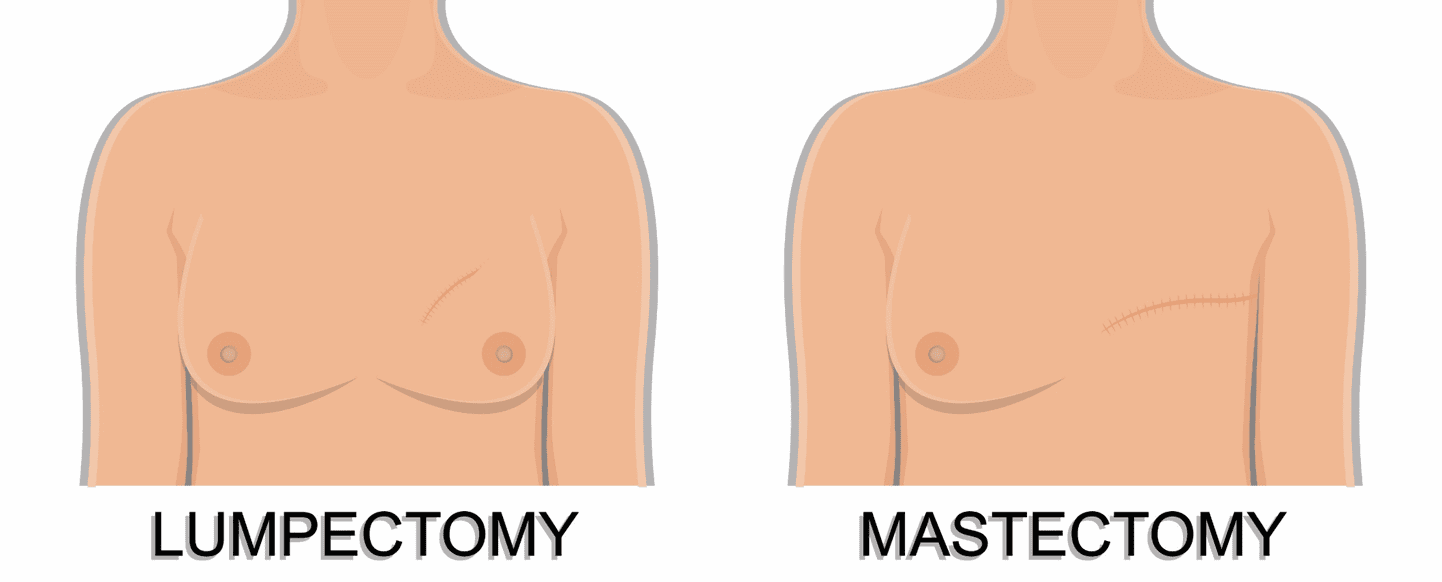
If cancer has spread:


Good News

  • There is a 1 in 8 chance a women will develop breast cancer (NATIONALLY)
  • Breast cancer is usually highly treatable
  • If your breast cancer is found on a mammogram before it spreads, you have an almost 100% of being alive 5 years later
  • Therefore, new lumps should NEVER be ignored!

Back to Top

Breast Cancer Disparities

Are there disparities in breast cancer outcomes?

Yes, and they are significant.

Chicago:

  • In Chicago, while White women are diagnosed with breast cancer more frequently, Black women experience higher death rates
  • In Chicago, Black women are 56% more likely to die from breast cancer compared to White women (2022)
  • Disparities in Chicago are worse than other major cities

Hispanic Women:

  • Among Hispanic women, diagnosed breast cancer cases has increased by about 0.5% per year (2009-2018)
  • We know that Latina women:
    • Get their mammograms less often than White women
    • Find breast cancer later

Why are more minority women dying?

  • Lack of access to screening
  • Not getting mammograms routinely
  • More likely to get mammograms of poorer quality
  • Not getting diagnosed early
  • Not getting treatment quickly
  • Not getting the right treatment
  • Lack of breast health education
  • Lack of coordinated care between providers

Back to Top

How Equal Hope Helps

What support does Equal Hope provide?

Equal Hope helps remove barriers to care by:

  • Schedule breast screening appointments for women with and without insurance
  • Send screening appointment reminders
  • Assist you in getting timely results
  • Assist you in abnormal screenings and schedule timely follow-up as needed
  • Assist you in obtaining immediate treatment if necessary
  • Assistance with diagnostic follow up and breast cancer treatment
  • Assist you in obtaining a cervical health screening and medical home placement

Back to Top

Take the First Step Today

Your life, and the lives of others, can change with one action.